
Restore Your Engine's Spark & Power
Whether your car runs on petrol or diesel, a tiny component is critical for starting and running smoothly. Replacing worn spark plugs (petrol) or failing glow plugs (diesel) is key to engine health.
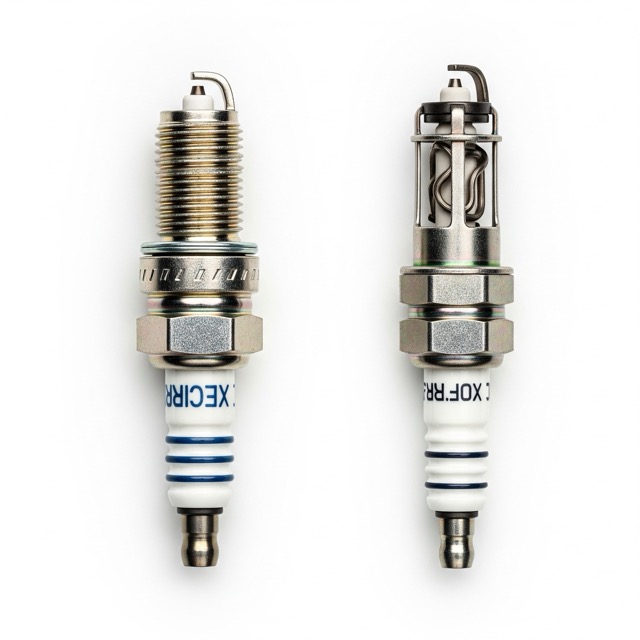
Spark Plugs and Glow Plugs: Small Parts, Big Difference
Replacing the ignition components is one of the most common tune-up jobs, and it can noticeably improve performance and fuel economy. The part you need depends on your engine, though. Petrol and diesel engines ignite fuel in completely different ways, so they use different parts.
Spark Plugs for Petrol Engines
A spark plug creates a small, high-energy spark that ignites the air and fuel mixture in each cylinder. You can think of it as the flint in a lighter, doing one job over and over, thousands of times each minute.
Because that spark takes a beating from heat and pressure, the electrodes slowly erode and the gap widens. A weak spark shows up in several ways. The engine may idle roughly or sputter, take longer to start, accelerate sluggishly, or burn more fuel than it should. A plug that fails to fire properly causes a misfire, and a persistent misfire can trigger the Check Engine light.
Plug life depends on the material. Copper plugs are the cheapest but wear fastest, so they often need replacing after 20,000 to 40,000 km. Iridium and platinum plugs last much longer, commonly 60,000 to 150,000 km. Your owner's manual gives the exact interval for your car, and it's worth following it, since the wrong plug type can cause problems of its own.
Glow Plugs for Diesel Engines
Diesel engines don't use sparks at all. They ignite fuel by compressing air until it becomes extremely hot. The glow plug helps with that process. It's a small heating element, somewhat like the coil in a toaster, that warms the air inside the cylinder before you start the engine. On a cold morning, that extra heat is what makes the engine catch.
The most common sign of trouble is difficulty starting when the engine is cold. You might also see white or grey smoke from the exhaust for a few minutes after starting, or notice rough running that smooths out once the engine warms up. Many diesels have a glow plug warning light on the dashboard, which can also point to a fault.
Glow plugs don't follow a fixed replacement schedule the way spark plugs do. They're usually replaced when they fail. If your diesel struggles to start in cold weather, have a mechanic test them. Because they age at similar rates, they're often replaced as a complete set.
I also corrected the spark plug intervals in the draft. The original range applied to every plug type, but copper plugs wear out considerably sooner than iridium or platinum ones.
Keep your car ahead of every service
AutoMetric tracks maintenance, mileage, and costs so nothing like this catches you off guard.
Download the AppMore guides
 Essential Maintenance
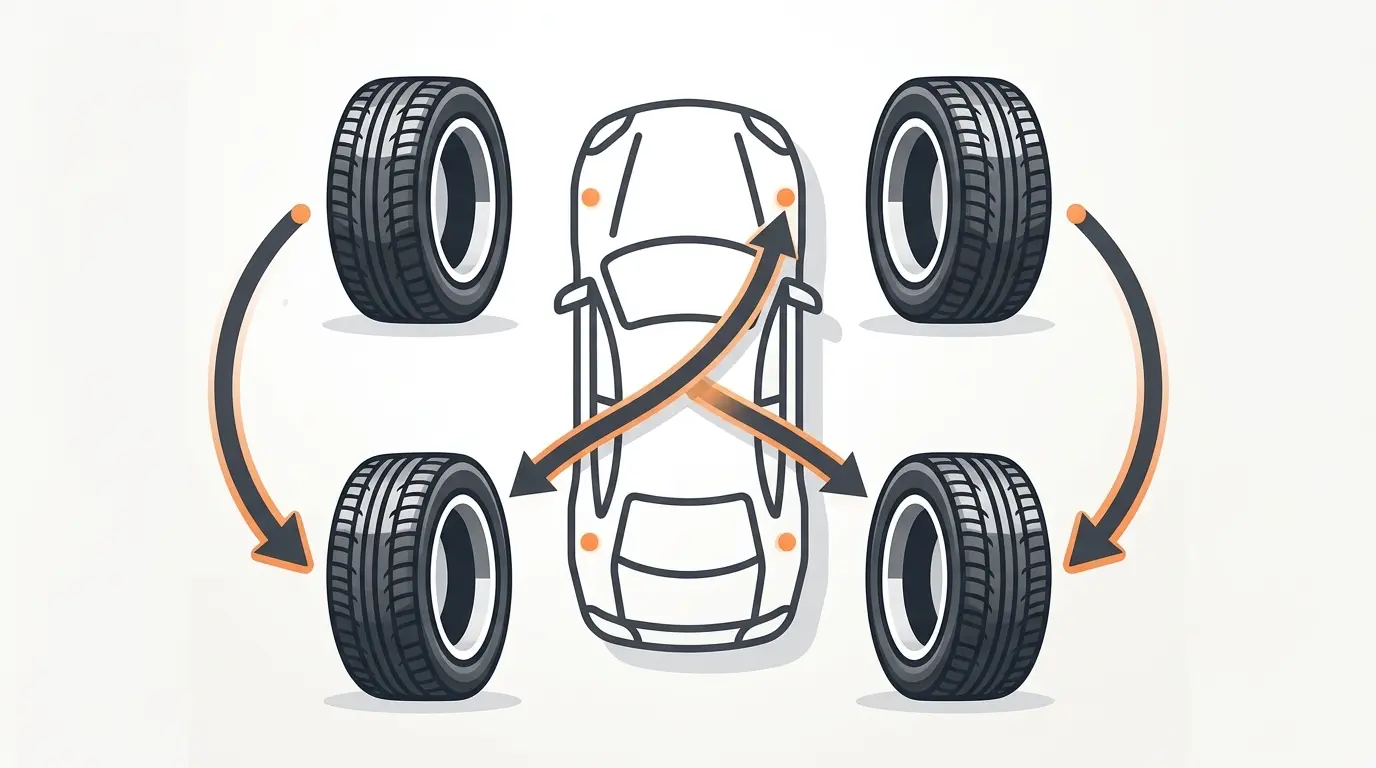
Tire Rotation and Wheel Alignment: Why Your Tires Wear Unevenly
Your tires rarely wear evenly. Rotation and alignment keep that wear under control, so your tires last longer and your car handles the way it should.
Read more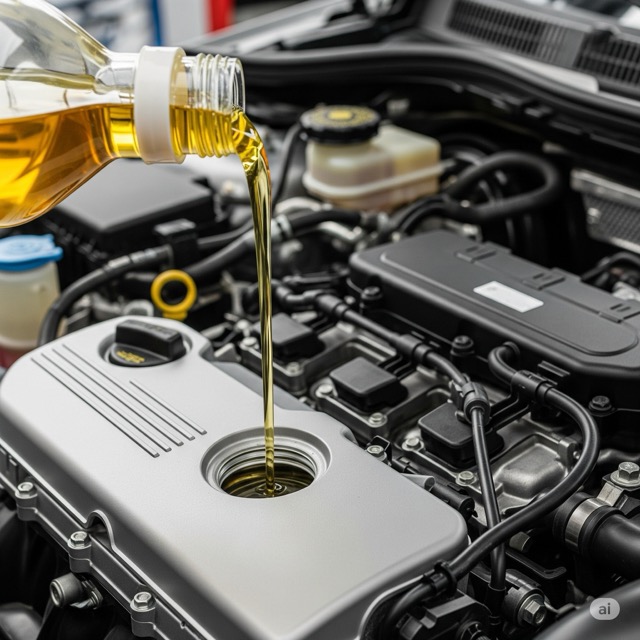 Essential Maintenance
When Should You Really Change Your Car's Oil?
Think of engine oil as the lifeblood of your car. Keeping it fresh is the best thing you can do to keep your engine happy and avoid expensive problems.
Read more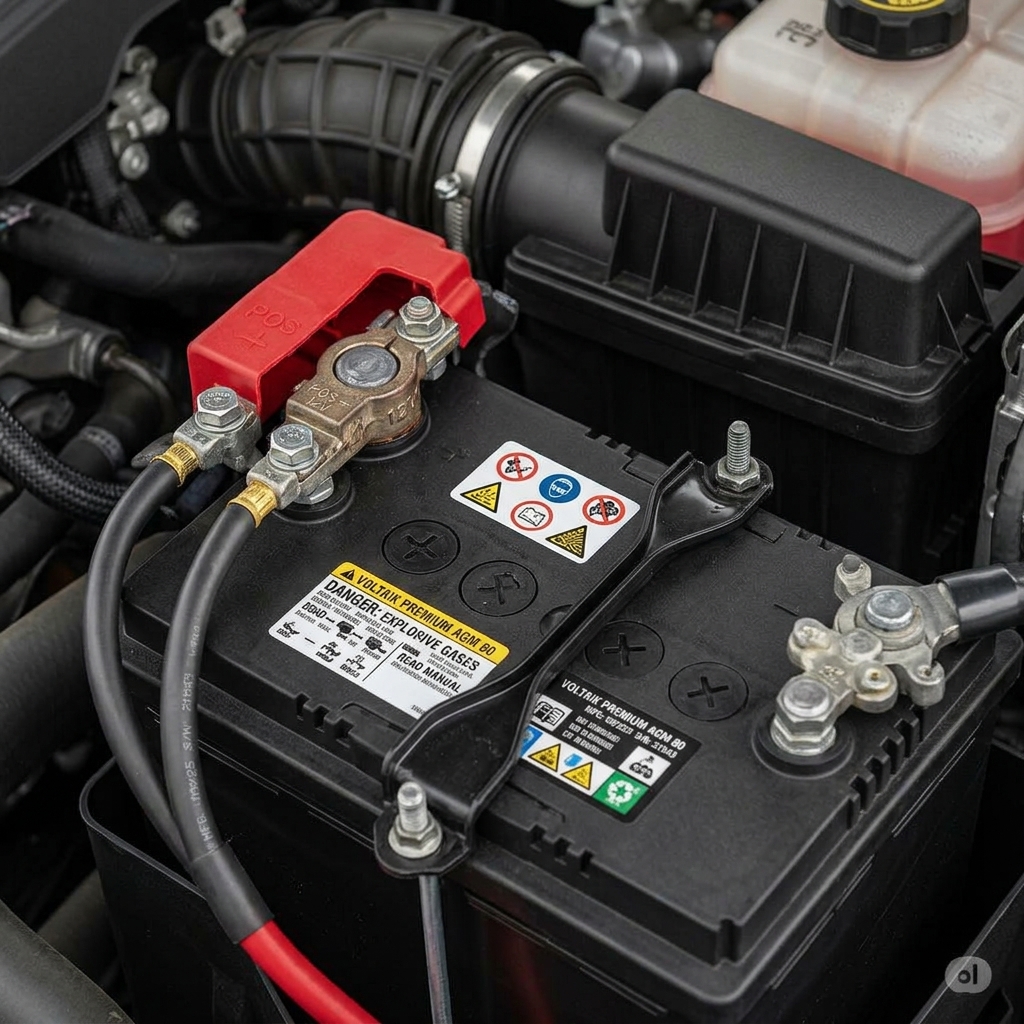 Essential Maintenance
Battery Health Check: Avoid Getting Stranded
There's nothing worse than the dreaded "click, click, click" of a dead battery. This simple check helps ensure your car starts every single time, especially when you need it most.
Read more