When Should You Really Change Your Car's Oil?
Think of engine oil as the lifeblood of your car. Keeping it fresh is the best thing you can do to keep your engine happy and avoid expensive problems.
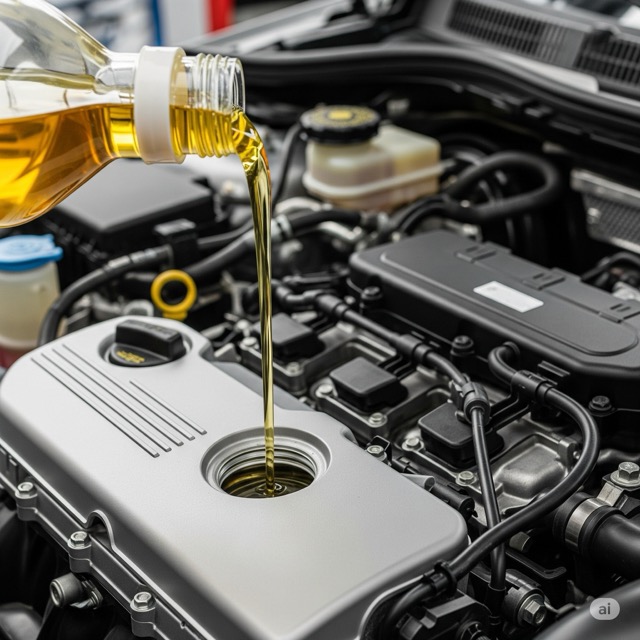
How Often Should You Really Change Your Oil?
Many of us still go by the old rule of changing oil every 5,000 kilometers. That number made sense for older engines and conventional oils, but it isn't a one-size-fits-all answer anymore. The right interval depends mainly on what kind of oil your car uses and how you drive.
Match the Interval to Your Oil
Conventional oil is the most basic option, and it's usually changed every 5,000 to 7,500 km. It gives standard protection and suits older engines that were designed for it. Synthetic blends sit in the middle, typically lasting 7,500 to 10,000 km with a good balance of performance and everyday reliability. Full synthetic oil resists breakdown much better, so many modern and turbocharged engines can go 10,000 to 20,000 km between changes. That range is wide, though, so check your owner's manual before stretching the interval that far.
Whatever oil you use, the manual is the final word. It lists the viscosity and standards your engine needs, and those matter as much as the change interval.
When Your Driving Shortens the Interval
Your habits can wear oil out faster than the mileage suggests. If your driving includes short trips under about 10 minutes, which never let the engine fully warm up and allow moisture and fuel to build up in the oil, reduce the intervals above by roughly a third. The same goes for city traffic with constant stop-and-go driving and long stretches of idling, heavy loads like towing a trailer or driving in the mountains, and extreme climates, whether that means deep cold, intense heat, or dusty and sandy roads. Many people who commute in town or make quick errands fall into this category without realizing it.
Two Rules That Apply to Everyone
First, change your oil at least once a year, even if you haven't reached the mileage limit. Oil breaks down with age, and moisture can collect in it over time, so a car that barely moves still needs regular service. Second, replace the oil filter every time you change the oil. The filter traps metal particles and sludge that would otherwise circulate through the engine, and reusing an old filter with fresh oil defeats the purpose of the change.
Keep your car ahead of every service
AutoMetric tracks maintenance, mileage, and costs so nothing like this catches you off guard.
Download the AppMore guides
 Essential Maintenance
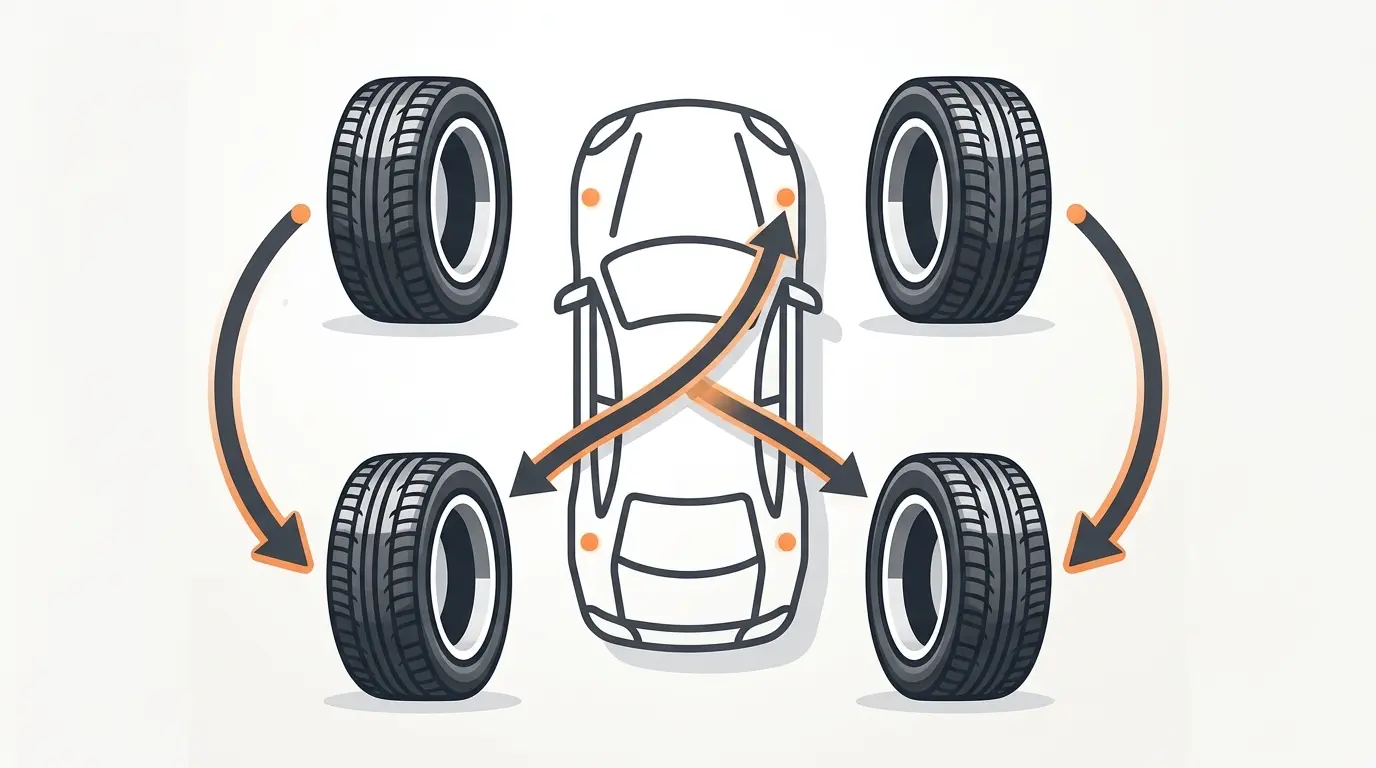
Tire Rotation and Wheel Alignment: Why Your Tires Wear Unevenly
Your tires rarely wear evenly. Rotation and alignment keep that wear under control, so your tires last longer and your car handles the way it should.
Read more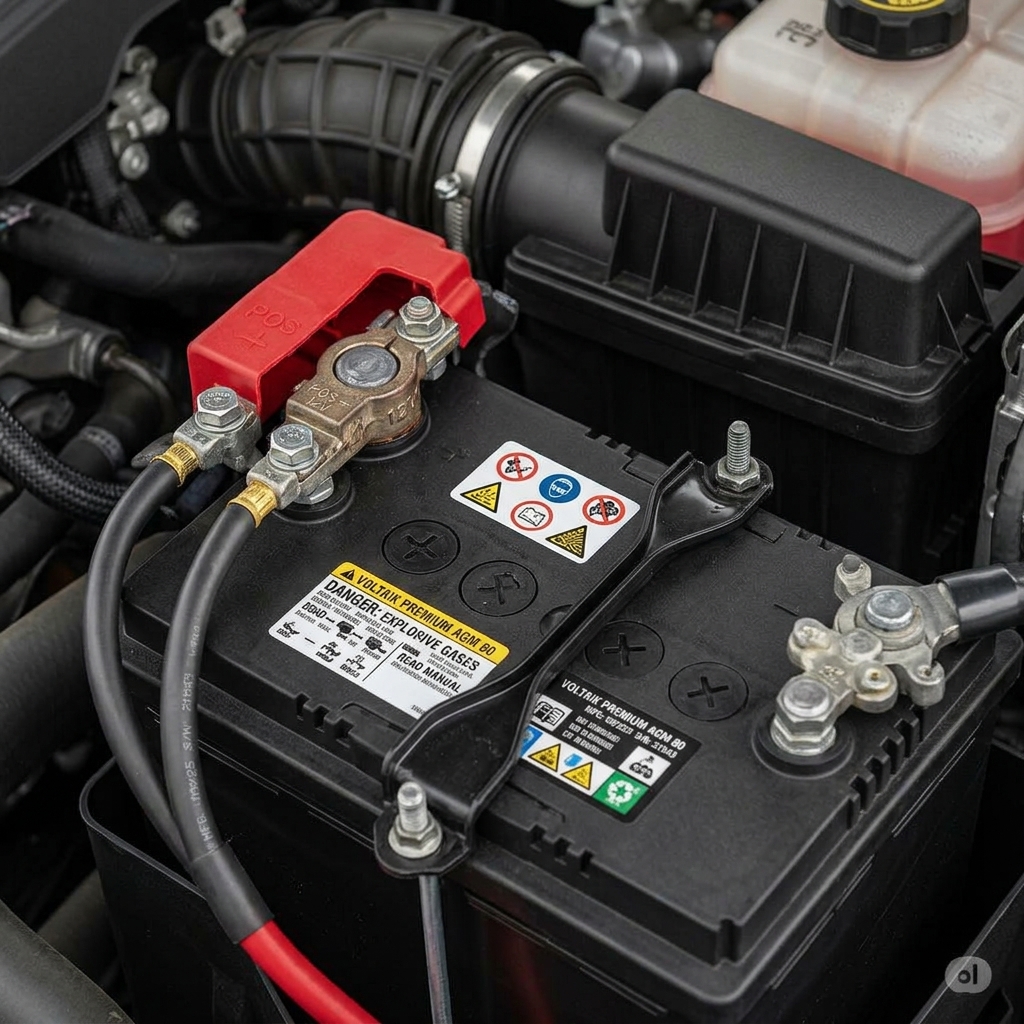 Essential Maintenance
Battery Health Check: Avoid Getting Stranded
There's nothing worse than the dreaded "click, click, click" of a dead battery. This simple check helps ensure your car starts every single time, especially when you need it most.
Read more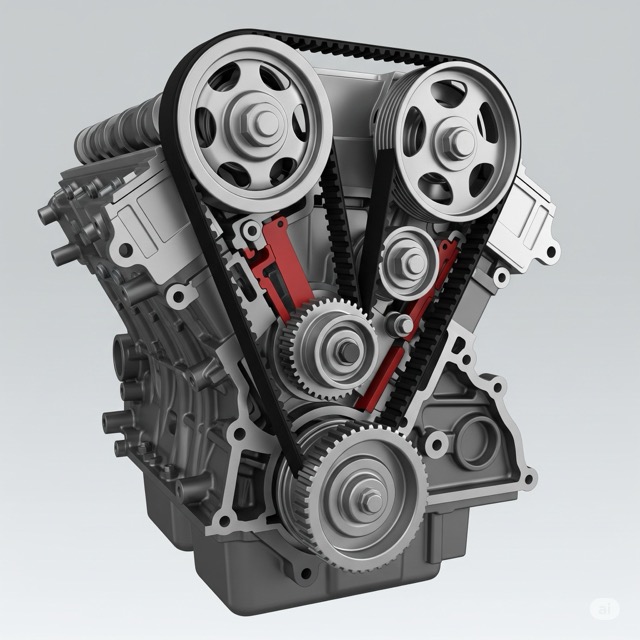 Essential Maintenance
The Timing Belt: Your Engine's Most Critical Service
Think of the timing belt as the conductor of your engine's orchestra. This is the one maintenance item that can single-handedly prevent catastrophic, engine-destroying failure. Ignoring it is a massive gamble.
Read more