Tire Rotation and Wheel Alignment: Why Your Tires Wear Unevenly
Your tires rarely wear evenly. Rotation and alignment keep that wear under control, so your tires last longer and your car handles the way it should.
Tire Rotation and Wheel Alignment: Why Your Tires Wear Unevenly
Tires rarely wear evenly. Front and rear tires carry different loads, steer differently, and sit at different angles to the road, so they wear at different rates. Two simple services, tire rotation and wheel alignment, keep that wear under control and help your tires last longer.
What Tire Rotation Does
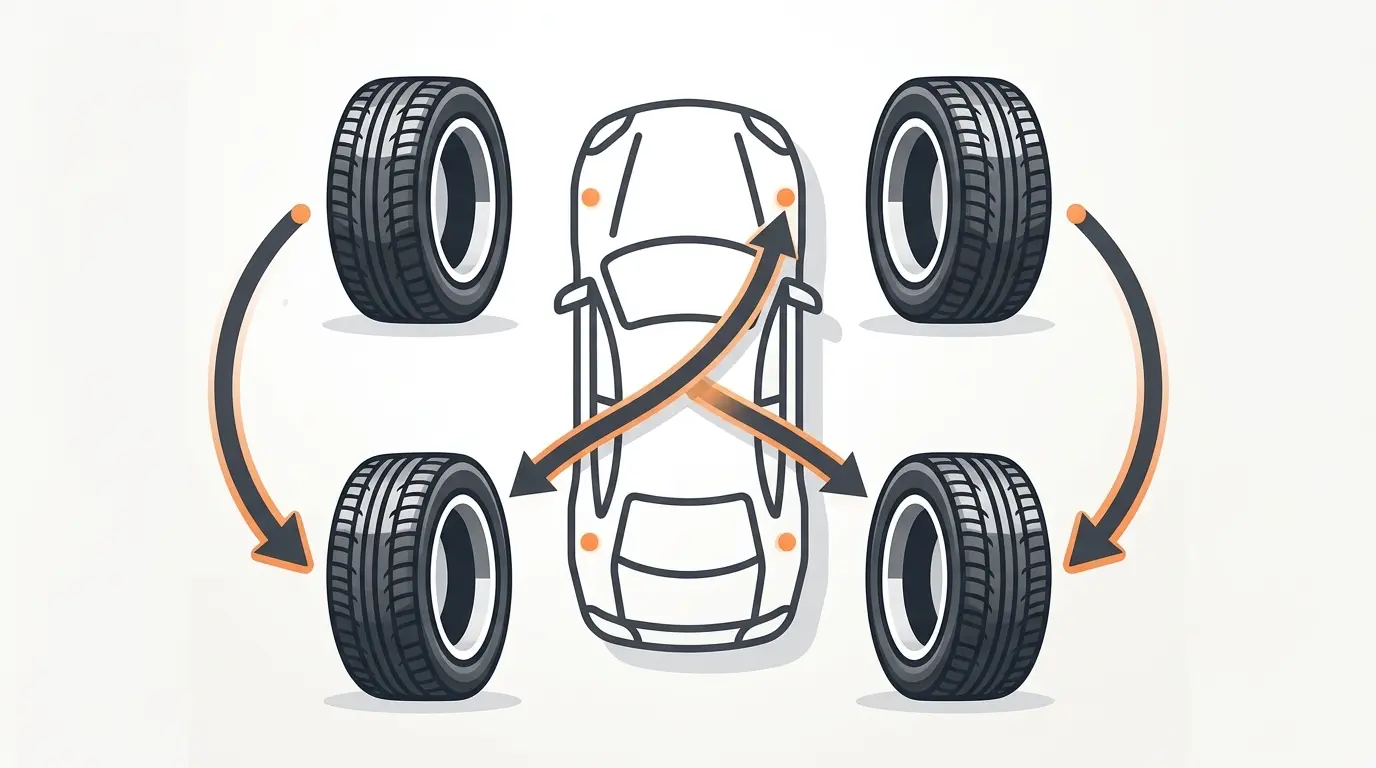
Tire rotation means moving each tire to a different position on the car, usually following a pattern set by the manufacturer. Front tires do most of the steering and braking, so they tend to wear faster. Moving them to the back on a regular schedule spreads that wear across all four tires. Many manufacturers recommend rotation every 8,000 to 12,000 km, but your owner's manual lists the exact interval for your car. Rotating the tires alongside an oil change is a convenient habit, since both services are often done at the same visit.
What Wheel Alignment Does
Alignment adjusts the angles of the wheels so they point straight and sit flat on the road. Over time, potholes, curbs, and ordinary wear can knock those angles out of specification. A misaligned car may pull to one side, and the steering wheel may sit off-center when you drive straight. Left uncorrected, misalignment wears tires quickly along one edge, which is why alignment and rotation are often discussed together.
Signs Something Is Off
Uneven tread wear is the clearest sign. If one edge of a tire is noticeably more worn than the other, or the wear shows a pattern of feathering across the tread, alignment is a likely cause. A car that drifts or pulls while you hold the wheel steady needs a check as well. Vibration through the steering wheel can point to balance or tire problems, which a shop can diagnose during the same visit. If you notice any of these symptoms, have the tires and suspension inspected rather than waiting for the next scheduled service.
When to Have It Done
Rotate your tires at the interval in your owner's manual, and have the alignment checked once a year or after you hit a deep pothole or scrape a curb. New tires are also a good time to check alignment, since a misaligned car can quickly wear out a brand-new set. Many shops include a basic alignment check with a rotation, so it's worth asking. Together, these two services cost far less than replacing tires early, and they help your car handle the way it should.
Keep your car ahead of every service
AutoMetric tracks maintenance, mileage, and costs so nothing like this catches you off guard.
Download the AppMore guides
 Essential Maintenance
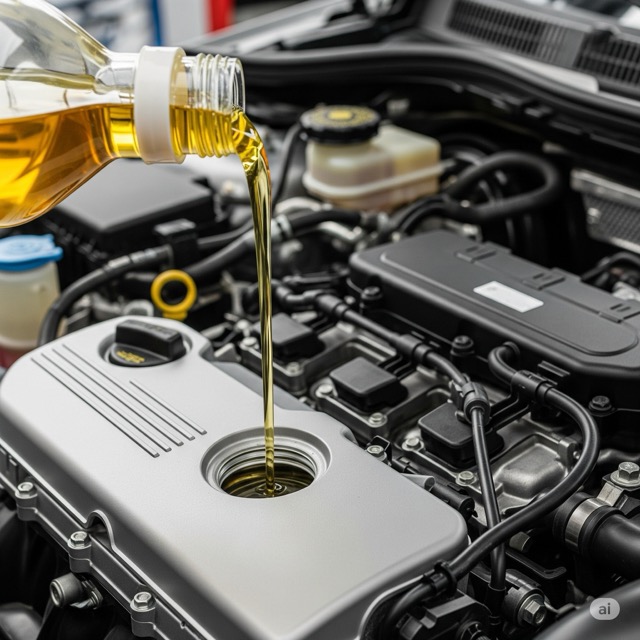
When Should You Really Change Your Car's Oil?
Think of engine oil as the lifeblood of your car. Keeping it fresh is the best thing you can do to keep your engine happy and avoid expensive problems.
Read more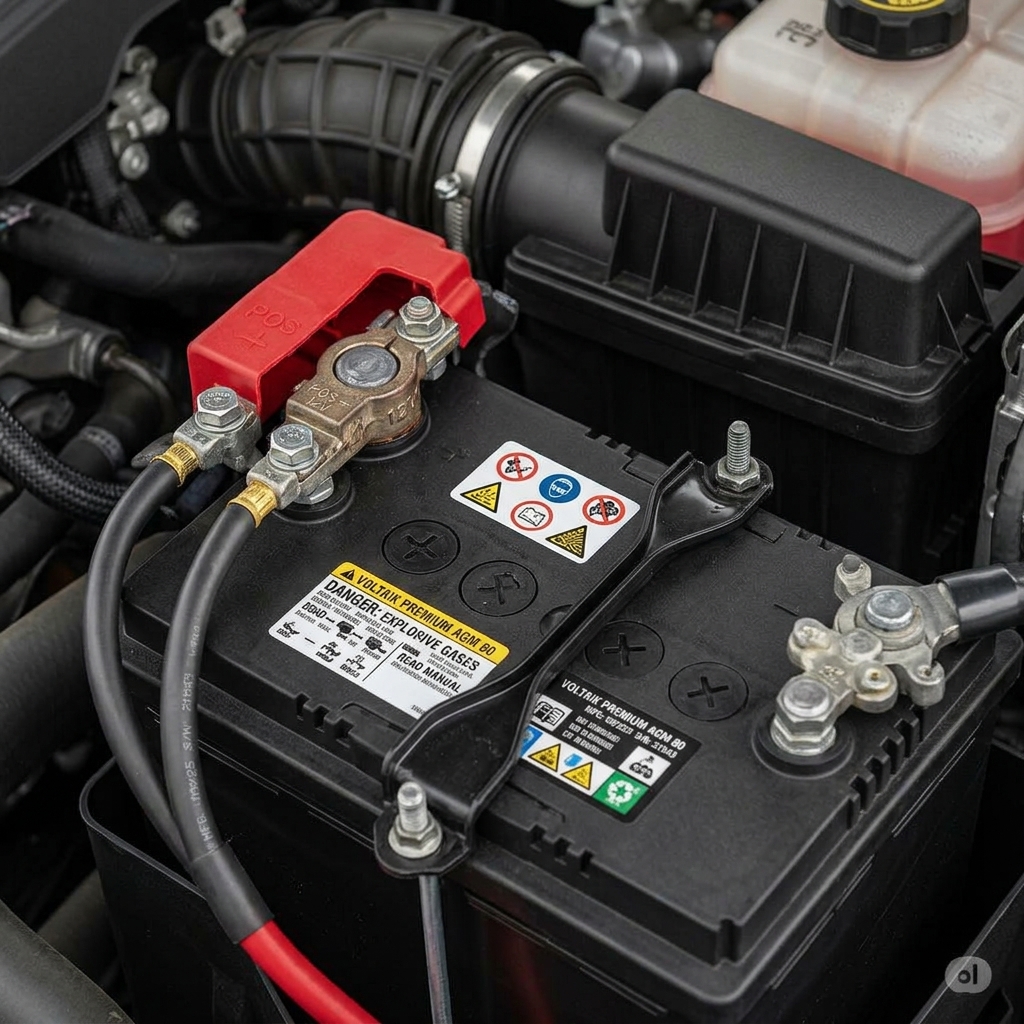 Essential Maintenance
Battery Health Check: Avoid Getting Stranded
There's nothing worse than the dreaded "click, click, click" of a dead battery. This simple check helps ensure your car starts every single time, especially when you need it most.
Read more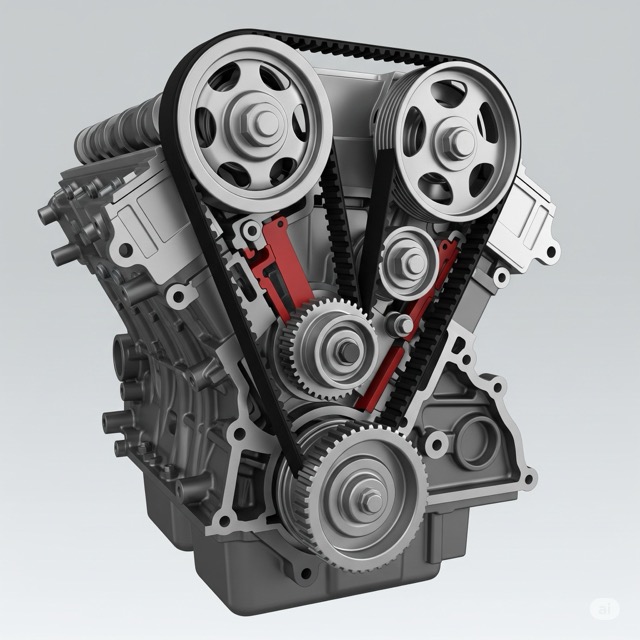 Essential Maintenance
The Timing Belt: Your Engine's Most Critical Service
Think of the timing belt as the conductor of your engine's orchestra. This is the one maintenance item that can single-handedly prevent catastrophic, engine-destroying failure. Ignoring it is a massive gamble.
Read more