The Timing Belt: Your Engine's Most Critical Service
Think of the timing belt as the conductor of your engine's orchestra. This is the one maintenance item that can single-handedly prevent catastrophic, engine-destroying failure. Ignoring it is a massive gamble.
Why the Timing Belt Is Easy to Neglect and Expensive to Ignore
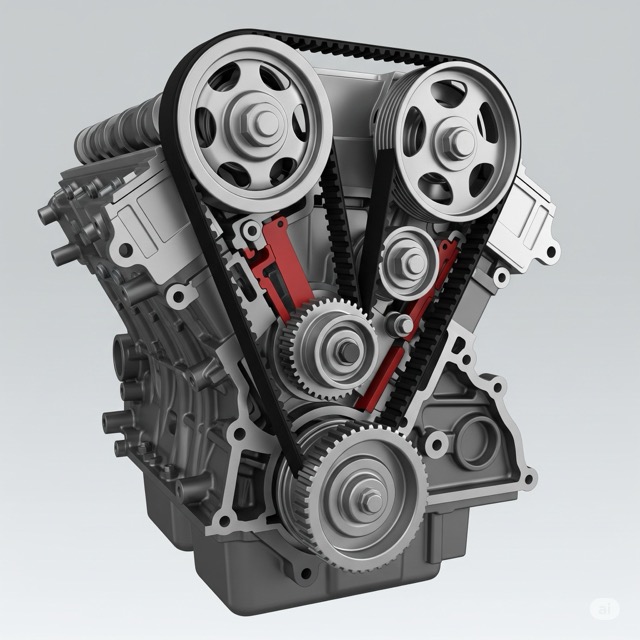
The timing belt is one of the least visible parts of your engine, and that's exactly why it gets forgotten. It keeps the crankshaft and camshafts turning together, so the engine's valves open and close at precisely the right moment in relation to the pistons. When that timing is right, the engine runs smoothly. When it fails, the damage can be severe.
The Risk Behind a Simple Rubber Belt
Most modern cars use what engineers call "interference" engines. The valves and pistons share the same space inside the cylinder, but they move at different times. As long as the belt holds, the two never collide. If the belt snaps, though, the pistons can slam into valves that are still open. The result is usually bent valves, damaged pistons, and sometimes a cracked or destroyed cylinder head. That kind of damage often costs more to repair than the car is worth.
Why Warning Signs Can't Be Trusted
Worn brakes squeal and tires vibrate before they fail, but a timing belt rarely gives any warning at all. It can look and sound perfectly fine one day and break the next. Because of that, you can't wait for symptoms. The only sensible approach is to replace the belt on schedule, whether or not it looks worn.
When to Replace It
Your owner's manual sets the interval for your specific engine, and that's the number to trust. As a general guide, many belts need replacing somewhere between 100,000 and 160,000 km, or every 7 to 10 years, whichever comes first. Age matters as much as mileage, because the rubber degrades over time even when the car is driven lightly. If your car is near or past either limit, schedule the job soon rather than waiting for a convenient moment.
Replace the Whole Kit
A timing belt job involves taking apart a good portion of the front of the engine, so the mechanic will have access to several other components. It's worth replacing the water pump, tensioners, and pulleys at the same time. These parts wear at a similar rate to the belt, and the cost of the extra parts is small compared with paying for the same labor twice. Ask your mechanic whether the water pump is included in the quote, since it's often driven by the same belt.
Leave This One to a Professional
Timing belt replacement requires precise alignment, and a small mistake can cause the same kind of engine damage you're trying to prevent. This is a job for a qualified mechanic. Check your manual for the interval, and if you're close to it, book the service now. The cost of a timing belt replacement is a small fraction of what a new engine costs, and it's one of the few repairs where doing it early is clearly the smarter money.
Keep your car ahead of every service
AutoMetric tracks maintenance, mileage, and costs so nothing like this catches you off guard.
Download the AppMore guides
 Essential Maintenance
Tire Rotation and Wheel Alignment: Why Your Tires Wear Unevenly
Your tires rarely wear evenly. Rotation and alignment keep that wear under control, so your tires last longer and your car handles the way it should.
Read more Essential Maintenance
When Should You Really Change Your Car's Oil?
Think of engine oil as the lifeblood of your car. Keeping it fresh is the best thing you can do to keep your engine happy and avoid expensive problems.
Read more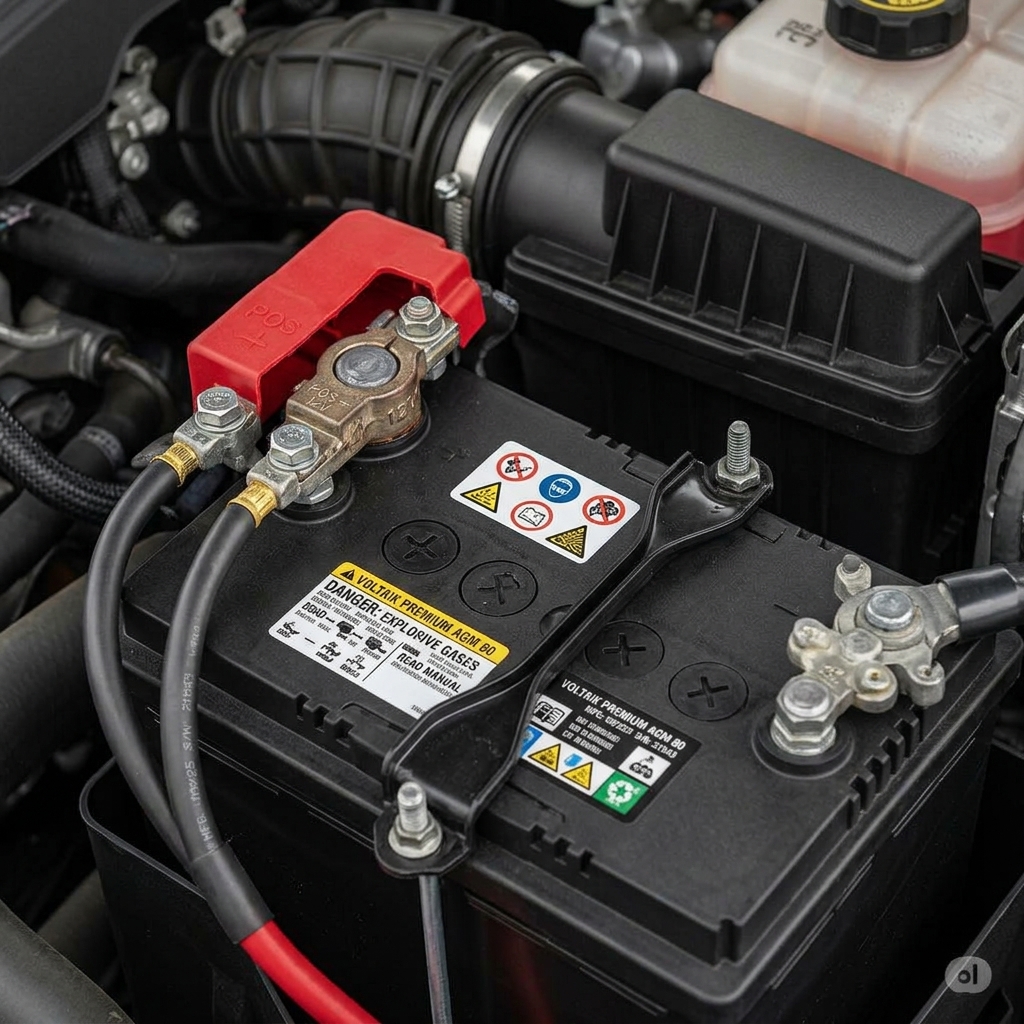 Essential Maintenance
Battery Health Check: Avoid Getting Stranded
There's nothing worse than the dreaded "click, click, click" of a dead battery. This simple check helps ensure your car starts every single time, especially when you need it most.
Read more