Tire Pressure Check: Your 3-Minute Safety Boost
Maintaining the correct tire pressure is one of the simplest yet most impactful maintenance tasks you can perform. In less time than it takes to brew a cup of coffee, you can significantly improve your vehicle’s handling, save money at the pump, and prevent dangerous roadside emergencies. This guide breaks down why those few minutes are the best investment you’ll make in your car this month.
Why Tire Pressure Matters More Than You Might Think
Most of us check our tires only when one looks flat, but proper inflation affects three things at once: safety, fuel economy, and how long your tires last. Keeping them at the manufacturer's recommended pressure takes about three minutes a month.
The Three Benefits
Safety comes first. An under-inflated tire has sidewalls that flex more than they should, which generates excess heat and can lead to structural failure or a blowout. Correct pressure keeps the right patch of rubber in contact with the road, which gives you better grip when you brake hard and sharper handling when you need to swerve.
Fuel economy improves too. When tires are low, rolling resistance rises, so the engine has to work harder to keep the car moving. Keeping tires at the right pressure can improve gas mileage by up to 3 percent.
Finally, proper pressure makes tires last longer. Under-inflation wears down the outer edges of the tread, while over-inflation wears out the center faster.
How to Check Your Tires
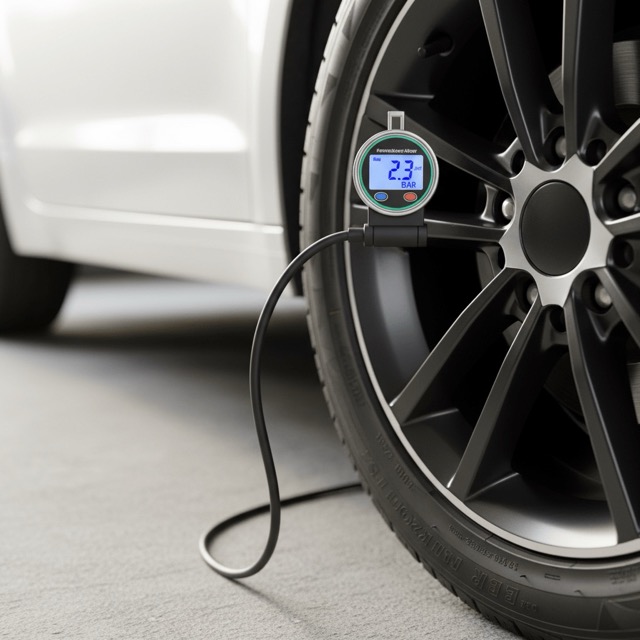
You don't need any special skills for this. Start by finding the recommended pressure. It's usually listed on a sticker on the driver's side door jamb or in the owner's manual. For a typical sedan, that's around 32 to 35 PSI, or 2.2 to 2.4 bar. Ignore the maximum pressure printed on the tire sidewall. That number is the tire's limit, not what your car needs.
Next, check the tires when they're cold. Early morning works well, or any time after the car has been parked for at least three hours. Driving warms the air inside the tire and can push the reading up by 2 to 5 PSI, which makes a warm check misleading.
Then measure each tire with a gauge pressed onto the valve stem. If the reading is low, add air in short bursts and check again. If it's too high, press the small pin in the center of the valve to let some air out.
Why Pressure Changes Over Time
Tires lose roughly 1 to 2 PSI each month, even when they aren't damaged. Temperature matters just as much. As a rough rule, for every 10°F (about 5.5°C) that the temperature drops, a tire loses about 1 PSI. A cold winter can therefore leave your tires about 2 PSI low, or roughly 0.14 bar, even if they were perfect in the fall. That's one reason to check more often as the seasons change.
Don't Forget the Spare
A spare tire is only useful if it holds air when you need it. Many spares are meant to run at a higher pressure, often around 60 PSI (4.2 bar), but the number is printed on the spare itself, so check the label rather than relying on memory. A quick check every few months takes very little time and can save a stranded afternoon.
A Quick Reference
If you're switching between units, here's a handy guide. 29 PSI equals 2.0 bar, 32 PSI equals 2.2 bar, 35 PSI equals 2.4 bar, and 38 PSI equals 2.6 bar. Keep these numbers in mind, and your tires will be in good shape for the road ahead.
Keep your car ahead of every service
AutoMetric tracks maintenance, mileage, and costs so nothing like this catches you off guard.
Download the AppMore guides
 Essential Maintenance
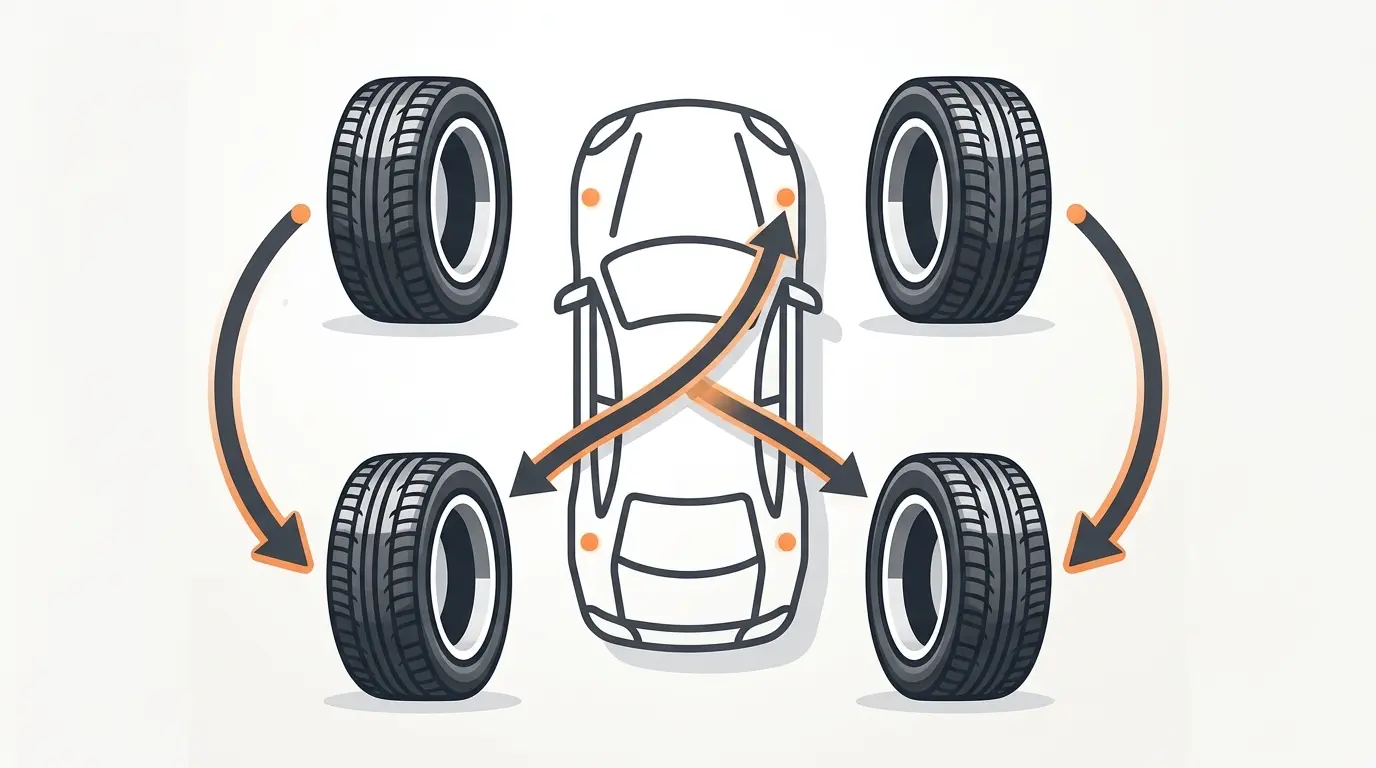
Tire Rotation and Wheel Alignment: Why Your Tires Wear Unevenly
Your tires rarely wear evenly. Rotation and alignment keep that wear under control, so your tires last longer and your car handles the way it should.
Read more Essential Maintenance
When Should You Really Change Your Car's Oil?
Think of engine oil as the lifeblood of your car. Keeping it fresh is the best thing you can do to keep your engine happy and avoid expensive problems.
Read more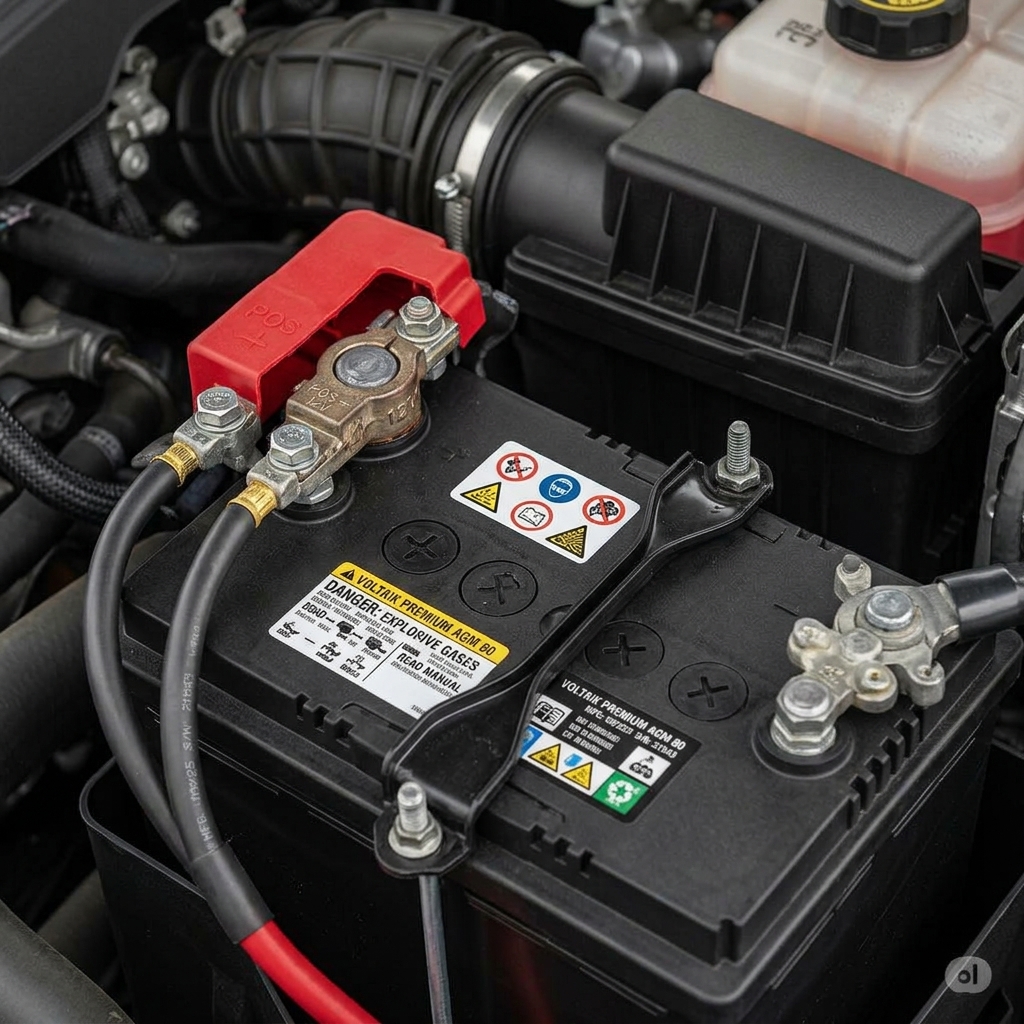 Essential Maintenance
Battery Health Check: Avoid Getting Stranded
There's nothing worse than the dreaded "click, click, click" of a dead battery. This simple check helps ensure your car starts every single time, especially when you need it most.
Read more