Transmission Fluid Service: Keep Your Gear Shifts Smooth
If the engine is the heart of your car, the transmission is its muscle. Transmission fluid is the essential lubricant that prevents that muscle from failing, saving you from one of the most expensive repairs possible.
Why Transmission Fluid Matters More Than You Think
Your transmission is the gearbox that carries power from the engine to the wheels, and the fluid inside it does more work than most drivers realize. Unlike engine oil, which mainly lubricates, transmission fluid has three jobs at once. It lubricates the hundreds of moving parts inside the gearbox, it carries away the heat that gears generate, and in automatic cars it acts as a hydraulic fluid that builds the pressure needed to shift smoothly.
Warning Signs of Old or Low Fluid
Transmission fluid breaks down slowly, and the symptoms often creep in before anything fails outright. Shifts may feel hesitant or jerky, as if the car is searching for the right gear. You might hear a whining, humming, or buzzing sound coming from the transmission. Sometimes the engine revs up when you press the accelerator, but the car doesn't pick up speed the way it should, which is a sign the gears are slipping. A faint burning smell is another clue, and it's worth taking seriously. Any of these symptoms means the fluid is probably worn, low, or contaminated.
Checking the Fluid
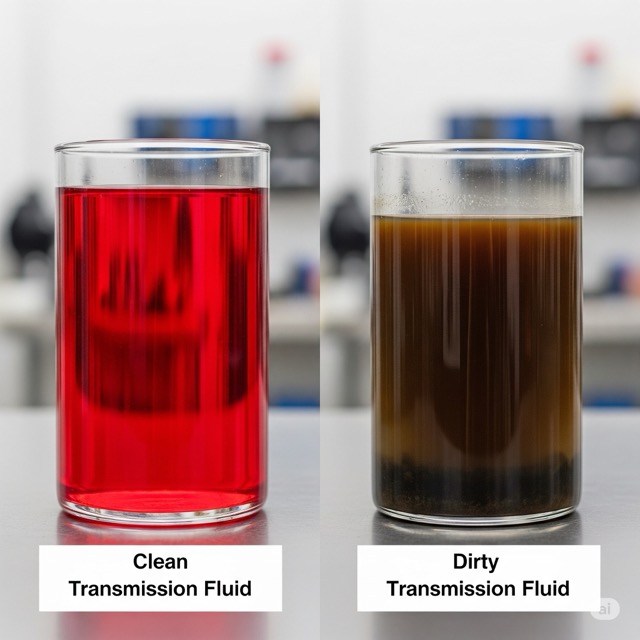
Some cars still have a dipstick for the transmission, and the procedure varies. Many require the engine to be warm and running, with the gear selector moved through each position before you check. Your owner's manual will tell you the exact method. Healthy fluid is bright red and translucent. If it looks dark brown or black, or smells burnt, it needs attention.
Many modern cars have sealed transmissions with no dipstick at all, so there's nothing for you to check. In that case, a mechanic has to inspect the fluid.
When to Have It Serviced
Changing transmission fluid is usually best left to a qualified mechanic. The job requires the correct fluid type and the right procedure for your specific gearbox, and a mistake can cause serious damage. Your owner's manual gives the recommended interval, which often falls somewhere between 50,000 and 100,000 km. Some manufacturers list the fluid as "lifetime," but even then, a fluid change at a reasonable mileage can help the transmission last considerably longer. If you notice any of the warning signs above, don't wait for the next scheduled service. Have the transmission checked promptly, because small problems with the fluid can turn into expensive failures.
Keep your car ahead of every service
AutoMetric tracks maintenance, mileage, and costs so nothing like this catches you off guard.
Download the AppMore guides
 Essential Maintenance
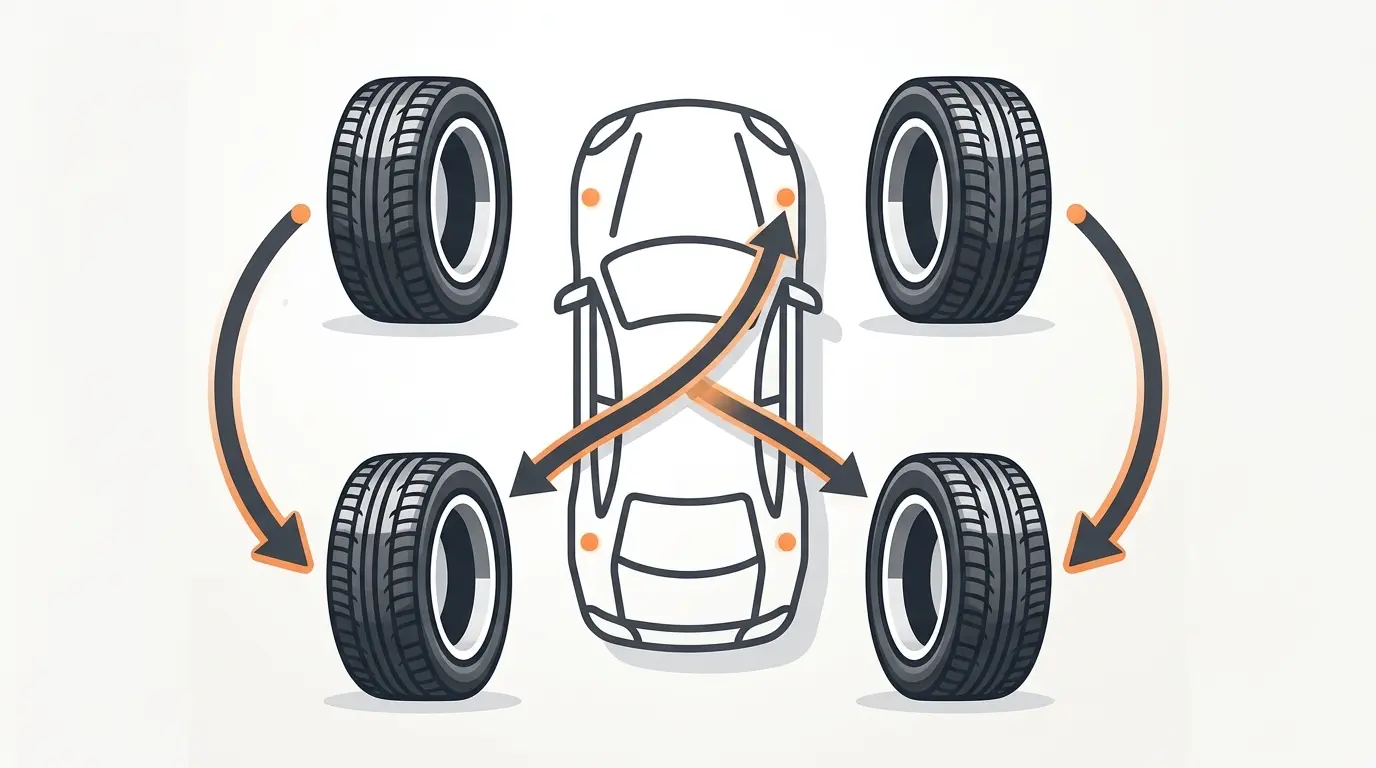
Tire Rotation and Wheel Alignment: Why Your Tires Wear Unevenly
Your tires rarely wear evenly. Rotation and alignment keep that wear under control, so your tires last longer and your car handles the way it should.
Read more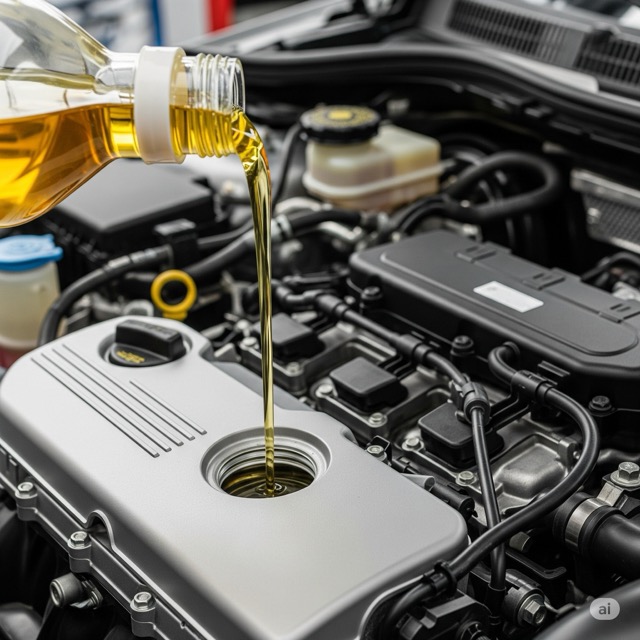 Essential Maintenance
When Should You Really Change Your Car's Oil?
Think of engine oil as the lifeblood of your car. Keeping it fresh is the best thing you can do to keep your engine happy and avoid expensive problems.
Read more Essential Maintenance
Battery Health Check: Avoid Getting Stranded
There's nothing worse than the dreaded "click, click, click" of a dead battery. This simple check helps ensure your car starts every single time, especially when you need it most.
Read more