Coolant Check: Prevent Overheating & Freezing
Engine coolant is your engine's personal bodyguard, protecting it from both extreme summer heat and bitter winter cold. A quick check can save you from a major breakdown.
Why Your Coolant Matters More Than You Think
Most of us don't think about coolant until the temperature gauge starts creeping toward red. By then, it's usually too late for a quick fix. The good news is that checking it takes about five minutes and needs nothing more than a glance under the hood.
Coolant, or antifreeze, runs through your engine and carries heat away so the engine stays at a steady temperature. If you let it run low or get dirty, the engine can overheat, and that's the kind of repair that gets expensive fast.
Checking the Level
Only do this when the engine is cold. I usually check mine first thing in the morning. Opening the cap on a hot engine is a bad idea, because the system is under pressure and the coolant can spray out and burn you badly.
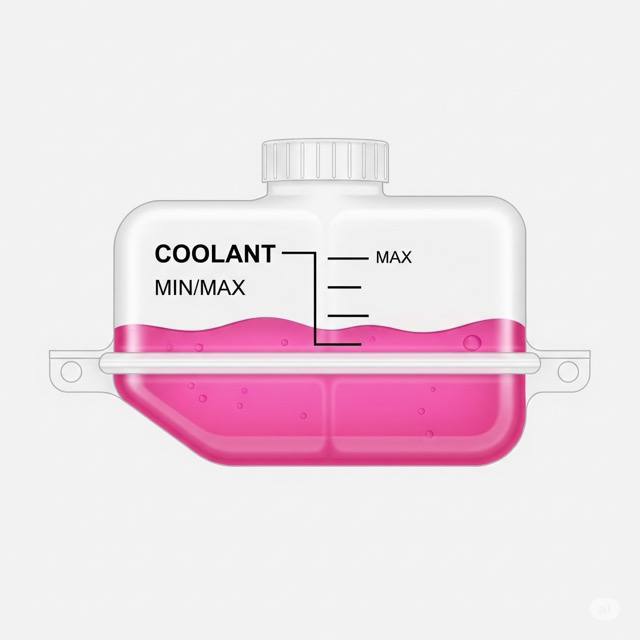
Find the coolant reservoir, which is usually a semi-transparent plastic tank near the radiator. It has MIN and MAX (or LOW and FULL) lines on the side. The level should sit between them. If it's below MIN, add coolant, but use the type your owner's manual calls for. Mixing types or adding plain water can cause corrosion. Water is fine as a short-term emergency, but it dilutes the mix, so get it properly topped up soon after.
Reading the Fluid
Coolant comes in green, orange, pink, and blue, and the color won't tell you exactly what it is. What matters is whether it looks clean. Fresh coolant is bright and clear. If yours looks muddy, rusty, or cloudy, or if there's debris floating in it, the system is probably contaminated.
An oily film on top or a milky, mayonnaise-like look is more serious. That can point to a failing head gasket, so take the car to a mechanic soon rather than waiting.
How Often to Replace It
Coolant doesn't really run out. Its anti-corrosion additives wear down over time, and eventually the whole system needs a flush and refill. Topping up now and then is normal, but a full replacement is a different job.
Your owner's manual has the exact schedule, since it depends on the car and the coolant type. Many drivers go by roughly every five years or 100,000 km. Leave the flush to a mechanic unless you have the tools and experience to do it safely.
Keep your car ahead of every service
AutoMetric tracks maintenance, mileage, and costs so nothing like this catches you off guard.
Download the AppMore guides
 Essential Maintenance
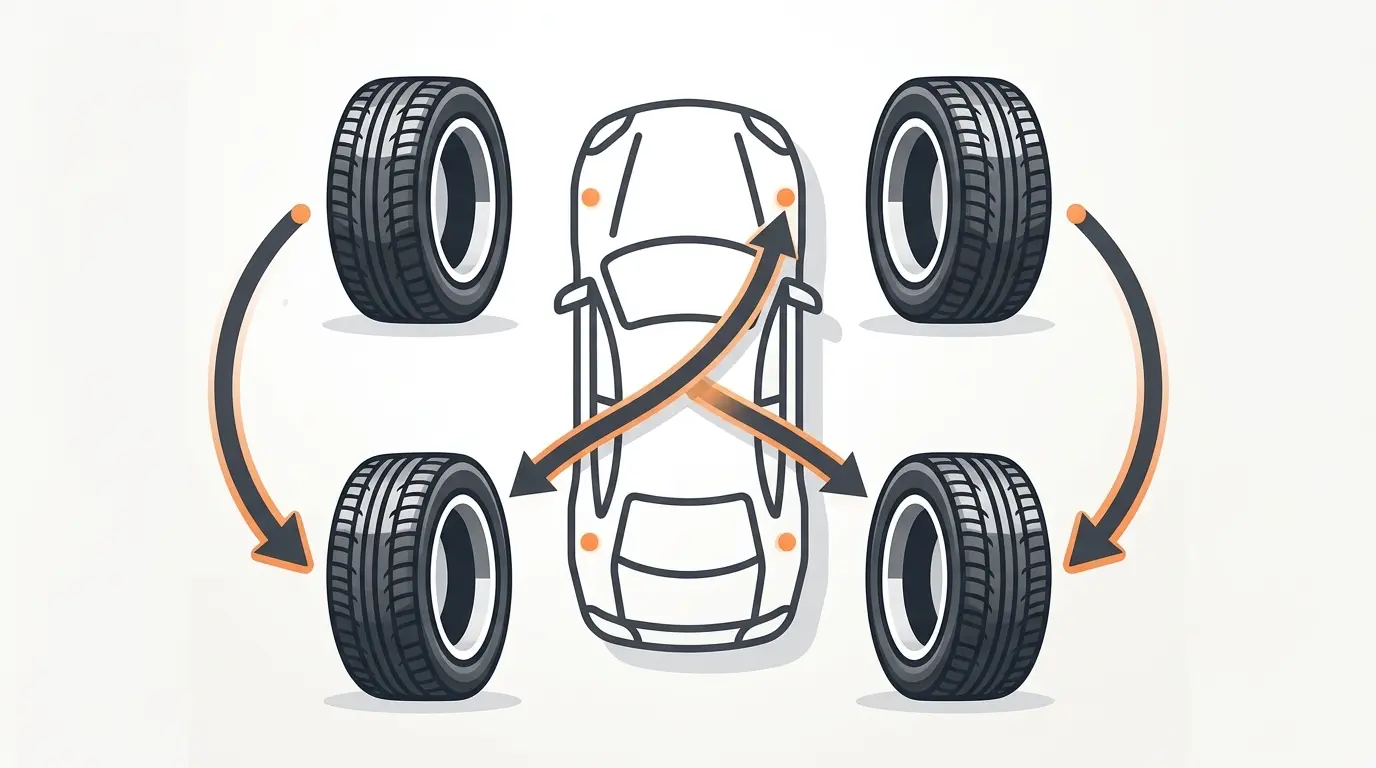
Tire Rotation and Wheel Alignment: Why Your Tires Wear Unevenly
Your tires rarely wear evenly. Rotation and alignment keep that wear under control, so your tires last longer and your car handles the way it should.
Read more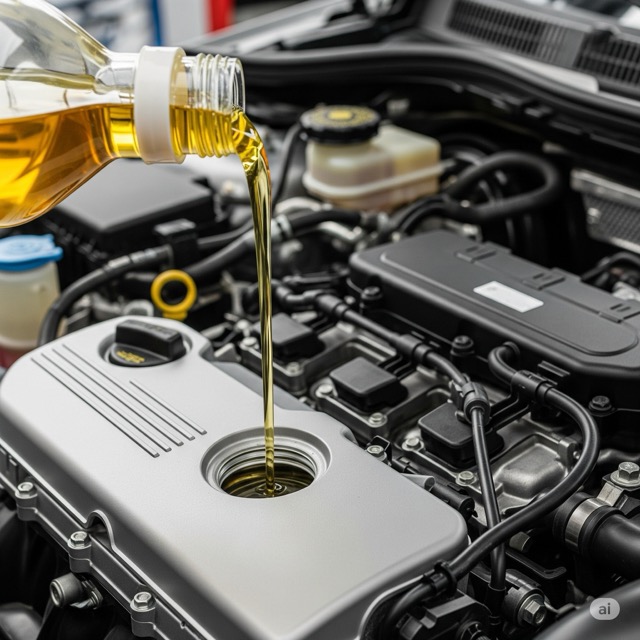 Essential Maintenance
When Should You Really Change Your Car's Oil?
Think of engine oil as the lifeblood of your car. Keeping it fresh is the best thing you can do to keep your engine happy and avoid expensive problems.
Read more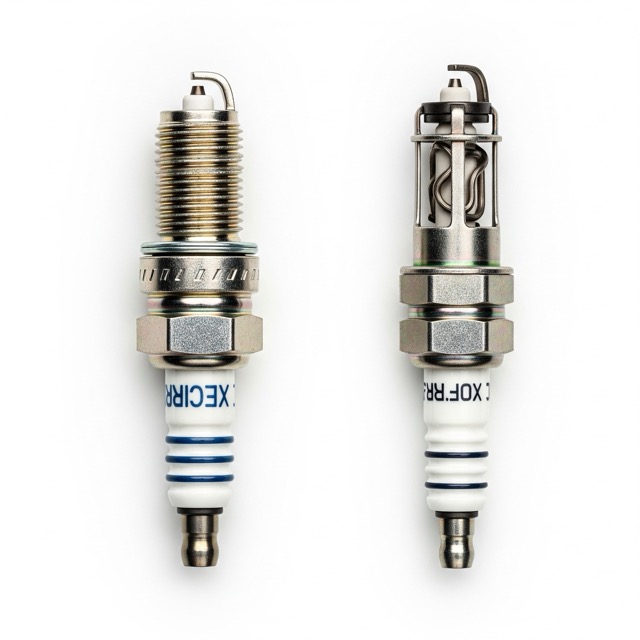 Engine Performance
Restore Your Engine's Spark & Power
Whether your car runs on petrol or diesel, a tiny component is critical for starting and running smoothly. Replacing worn spark plugs (petrol) or failing glow plugs (diesel) is key to engine health.
Read more